
Bridging Theory and Practice
Graduate Excellence at the Levy Institute
The ultimate purpose of the Levy Economics Institute research and activities is to serve the wider policymaking community in the United States and the rest of the world by enabling scholars and leaders in business, labor, and government to work together on problems of common interest.
The Levy Economics Institute Graduate Programs in Economic Theory and Policy were created to offer students an alternative to mainstream programs in economics and finance. These innovative programs combine a rigorous course of study with the exceptional opportunity to participate in advanced economics research.
Finance
36.7%
Economist/Analyst
29.1%
Academia
19%
Public Policy
15.2%
Alumni Placements
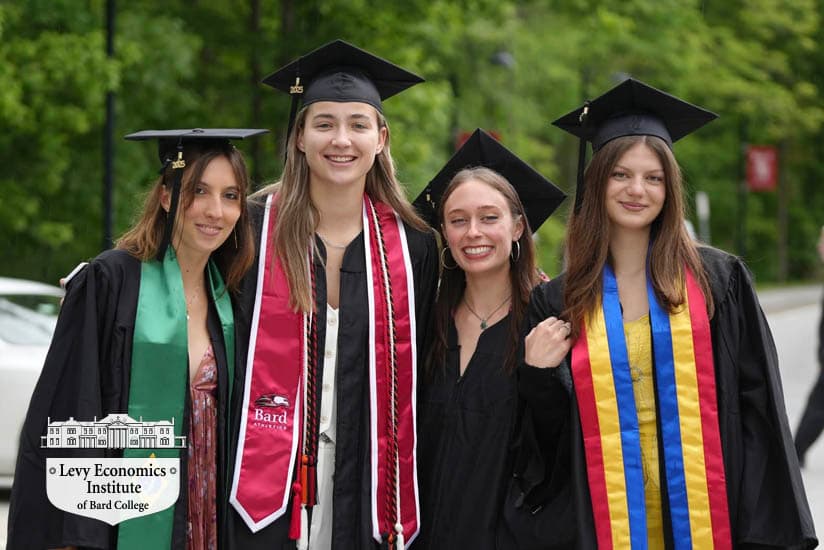
After graduation, our alumni embark on critical and cutting edge careers in policy, finance, and academia informed by the intellectual traditions of the Levy Institute.
Our Approach
Key Research Areas
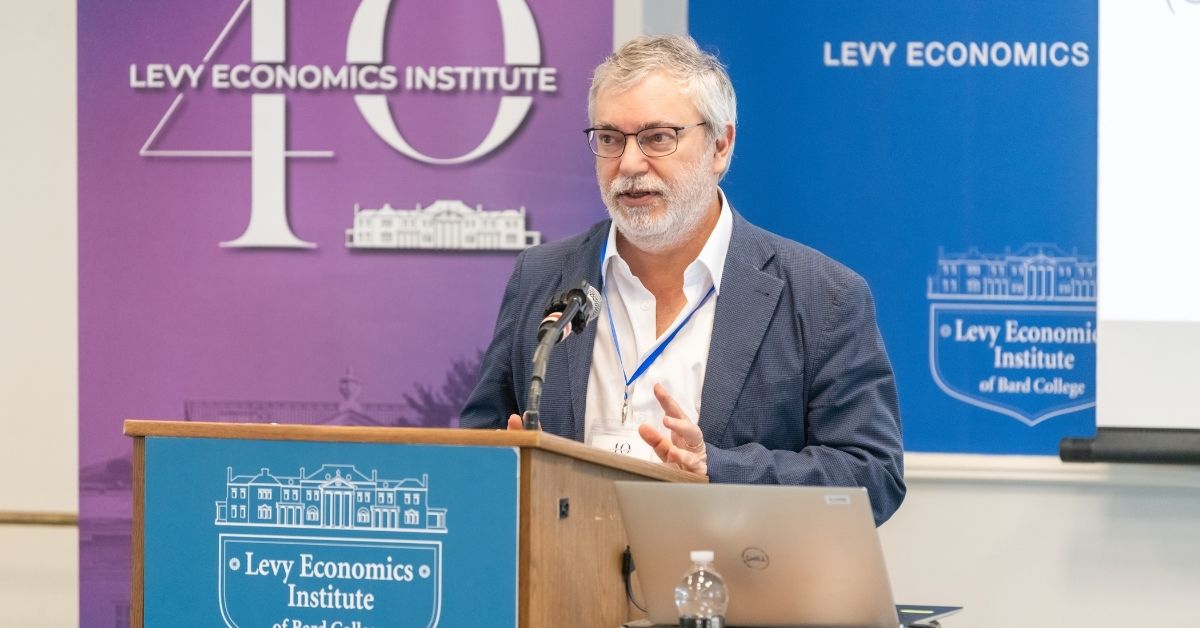
The course of study encourages students to specialize in one of the research areas of the Levy Institute:
- The State of the US and World Economies
- Economic Policy for the 21st Century
- Monetary Theory and Financial Structure
- Distribution of Income, Wealth, and Well-Being
- Employment and Labor Markets
Engaged Learning
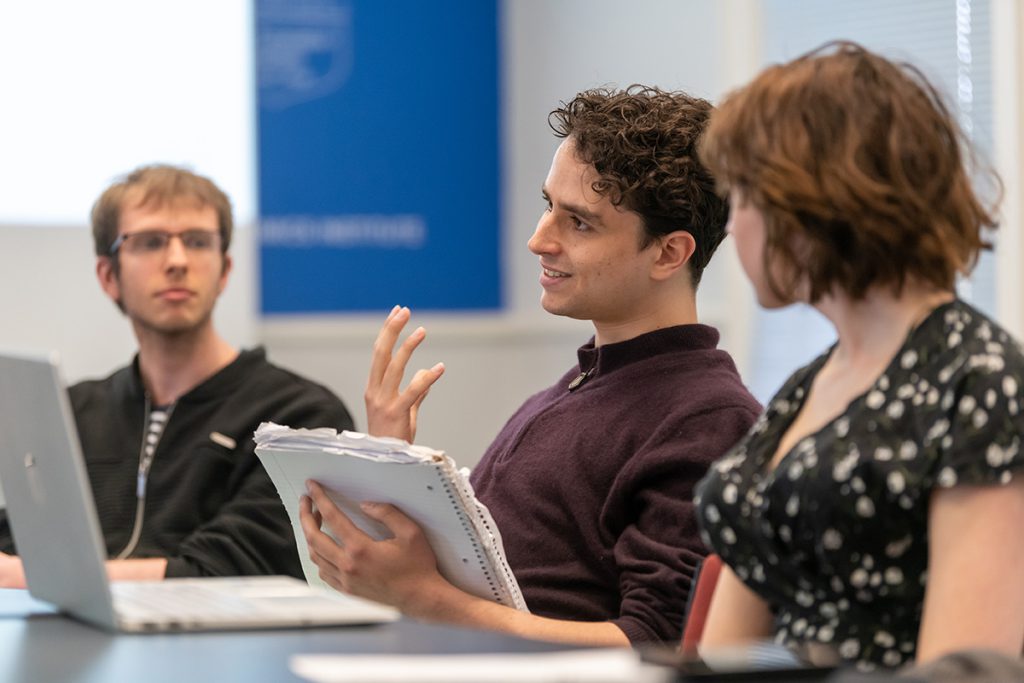
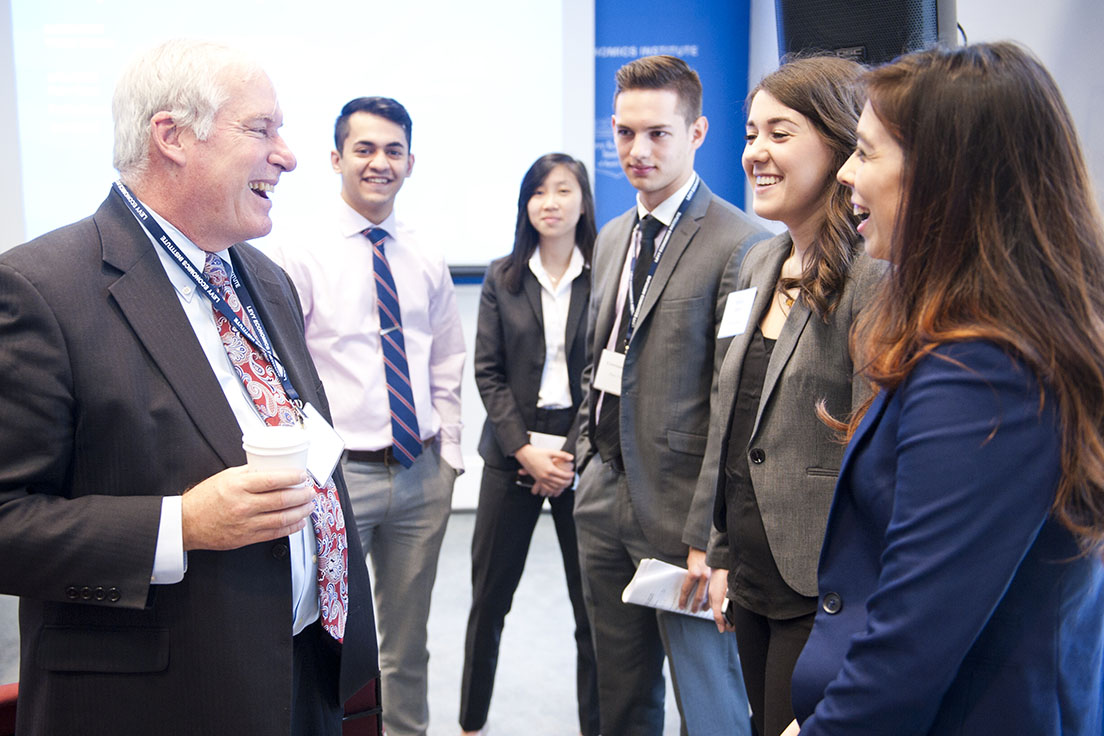
Small-group interaction in lectures and seminars encourages students to expand their understanding of economic theory and their influence in the global community. Students participate in every discussion and develop close working relationships with faculty in an environment of active learning. Resident scholars teaching in the graduate programs are extremely accessible, and consider themselves mentors as well as teachers.
Real-World Economics
The world economy has not yet emerged from the impacts of the 2008 financial and 2020 Covid Crises. Below-target growth and tax revenue threaten critical public expenditure on healthcare, education, social protection, and climate change adaptation… yet mainstream economics programs continue to use the same approach. The Levy Graduate Programs in Economic Theory and Policy offer real answers to real-world problems.
Scholarships & Financial Aid
Minsky and Godley Scholarships
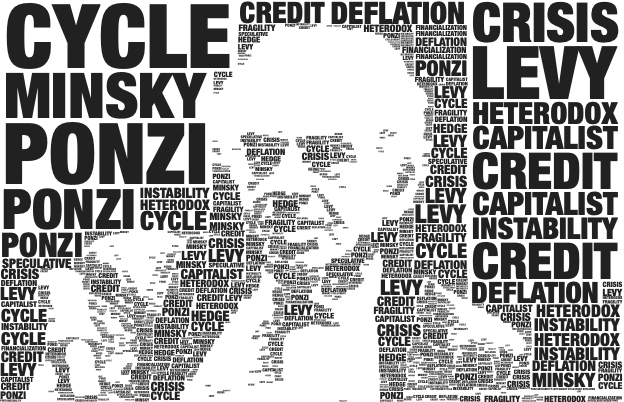
The Levy Graduate Programs has several academic scholarships, including The Minsky and Godley Scholarships, named for Distinguished Scholars Hyman P. Minsky and Wynne Godley, that highlight the students displaying significant academic achievement in the Institute’s investment core research areas.
“What sets this program apart is the direct access to world-class scholars. You aren’t just a student; you’re a junior researcher working alongside the people who are actually influencing global discourse on Minsky, inequality, and full employment.”
Where you’ll study
Blithewood and the Levy Institute
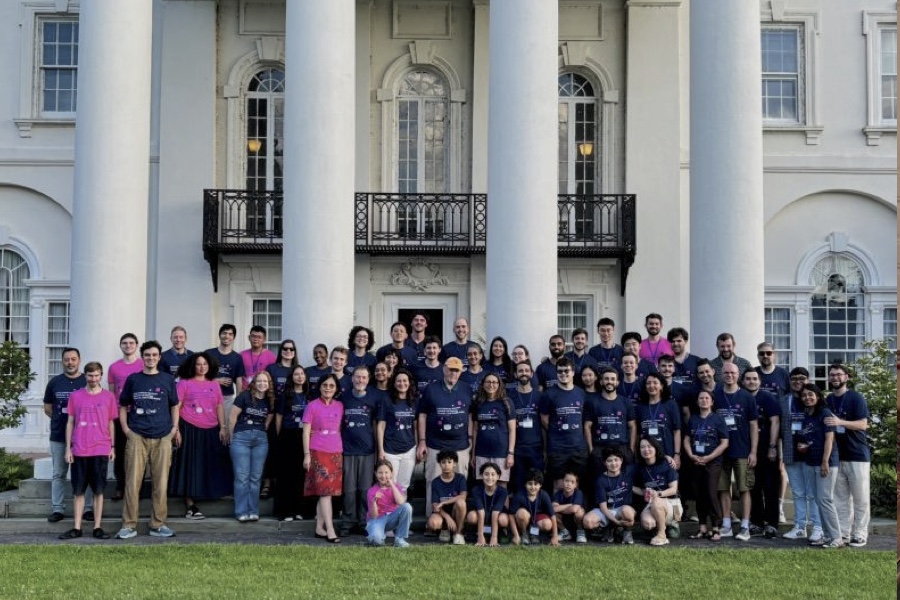
The Graduate Programs are offered at the Levy Economics Institute, housed in Blithewood, the 19th-century riverfront mansion on the main campus of Bard College in Annandale-on-Hudson, New York. Blithewood houses offices for scholars and staff, a library, a graduate student’s lounge, a conference room, and several lecture and meeting rooms. It is equipped with advanced computer and communications systems to provide extensive research resources
Bard College Campus
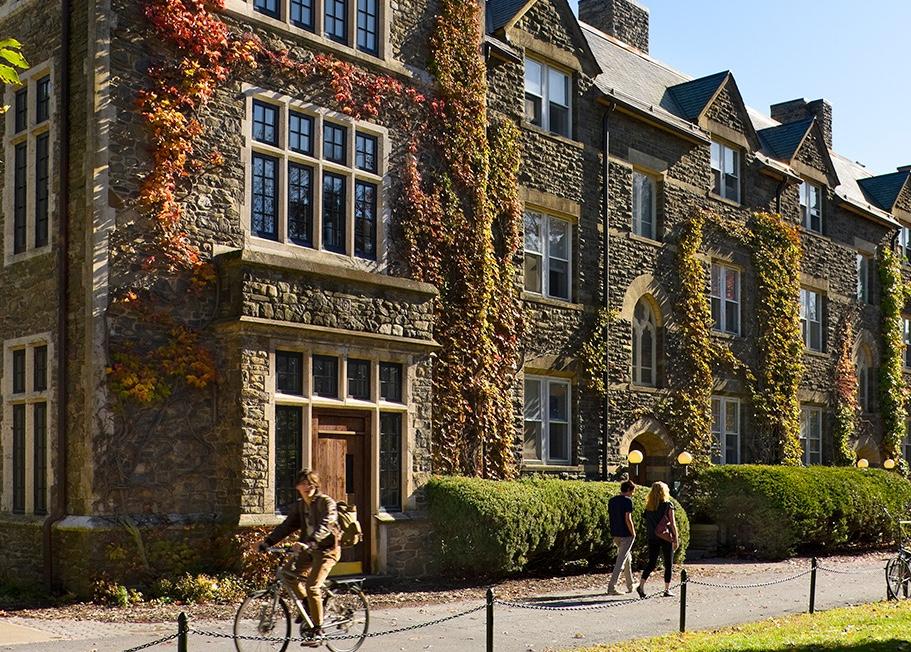
The Bard College campus is situated on the east shore of the Hudson River in New York State, comprising nearly 1,000 wooded acres with spectacular views of the Catskill Mountains. Students enjoy world-class performing arts venues on campus, as well as conferences and other special events. Bard’s campus is a center from which students explore the rich natural and cultural life of the Hudson Valley, and also have easy access by car or train to New York City, about 90 miles to the south.

Land Acknowledgment for Bard College in Annandale-on-Hudson
Developed in Cooperation with the Stockbridge-Munsee Community
In the spirit of truth and equity, it is with gratitude and humility that we acknowledge that we are gathered on the sacred homelands of the Munsee and Muhheaconneok people, who are the original stewards of the land. Today, due to forced removal, the community resides in Northeast Wisconsin and is known as the Stockbridge-Munsee Community. We honor and pay respect to their ancestors past and present, as well as to future generations, and we recognize their continuing presence in their homelands. We understand that our acknowledgment requires those of us who are settlers to recognize our own place in and responsibilities toward addressing inequity, and that this ongoing and challenging work requires that we commit to real engagement with the Munsee and Mohican communities to build an inclusive and equitable space for all.