

Empowering the Next Generation of Policy Innovators
A solid foundation
The Master of Arts and Master of Science in Economic Theory and Policy combine a rigorous course of study with the exceptional opportunity to participate in advanced economics research at the Levy Economics Institute, a nonprofit, nonpartisan think tank with more than 30 years of public policy research experience. The curriculum provides a solid foundation in both neoclassical and alternative economic theory, policy, and empirical research methods. Classes are limited in size to ensure a meaningful research experience.
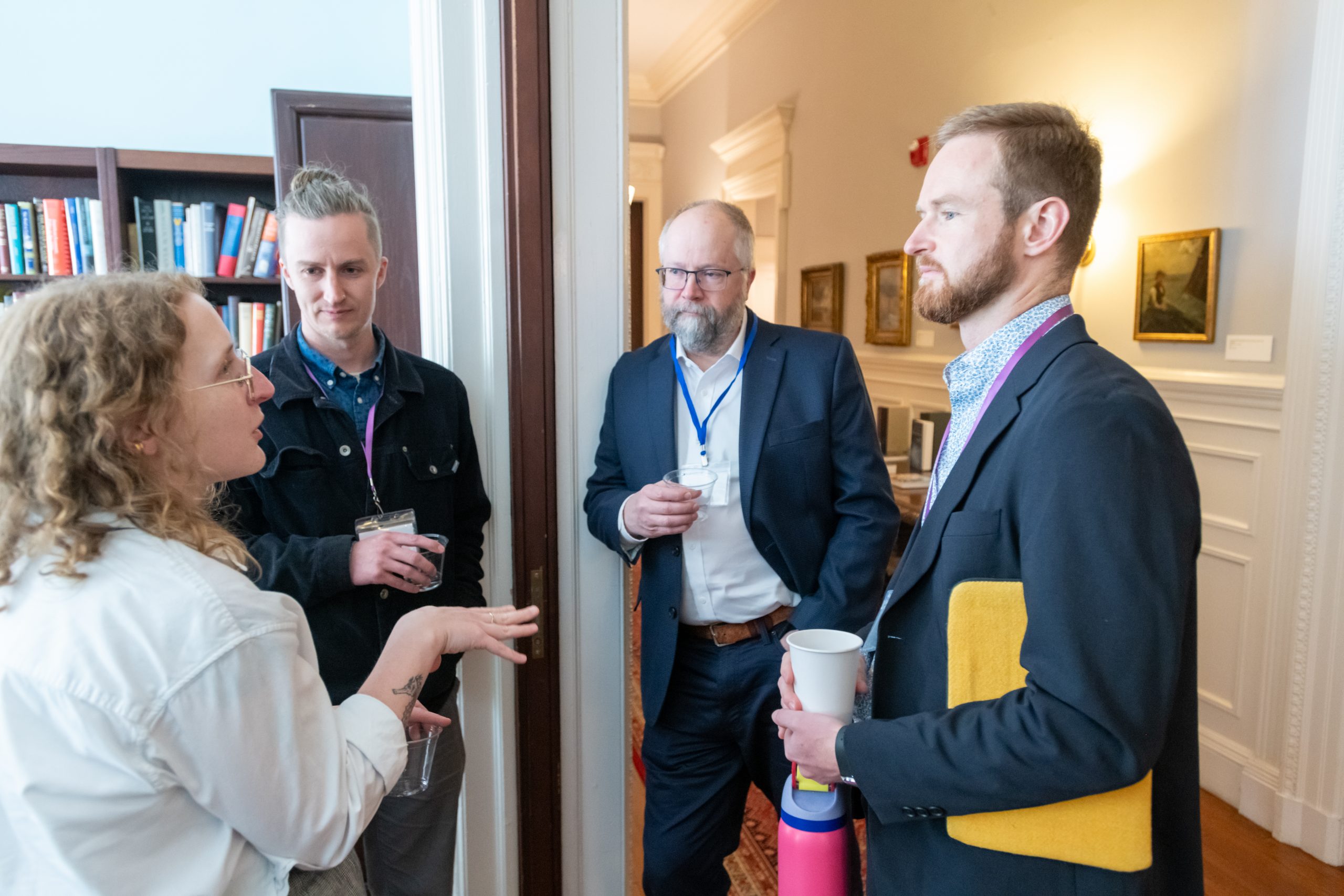
Photo by Karl Rabe for Bard College
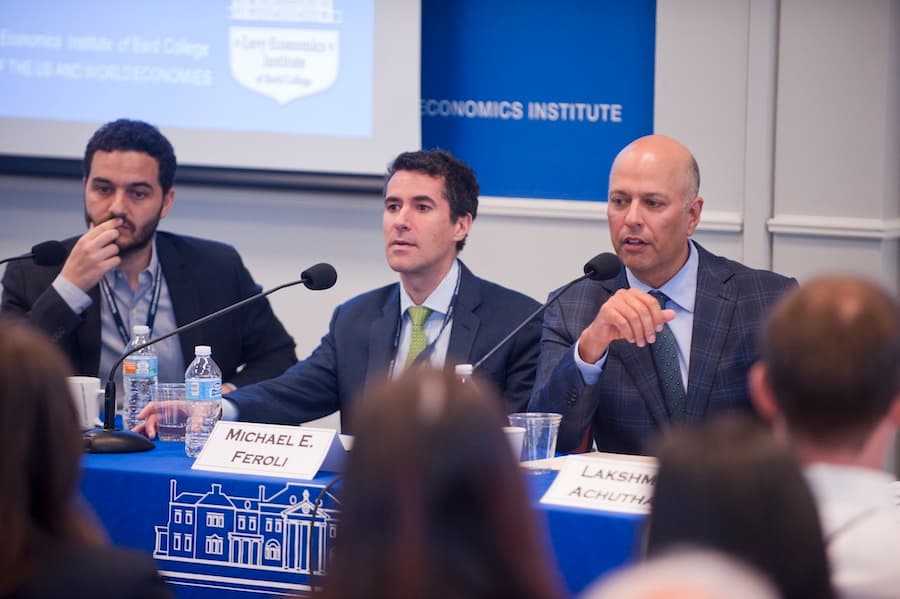
Research with Impact
An established grounding
Our MA and MS programs provide instruction grounded in the measurement and understanding of income and wealth inequality—which are at the core of the research and coursework offered at the Levy Economics Institute. The Institute is well known for its work in macroeconomic theory and policy analysis, the development and exploration of alternative measures of economic well-being and income and time poverty, and its continuing efforts to extend the work of Distinguished Scholars Hyman.
Distinguished Scholars
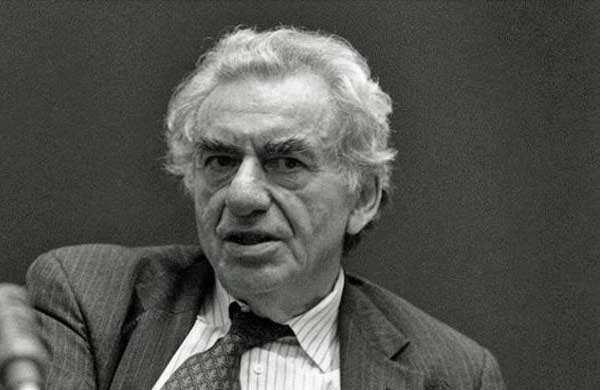
Hyman P. Minsky
Hyman P. Minsky was a Levy Institute Distinguished Scholar from 1990 until his death in 1996, establishing two of the Institute’s ongoing research programs: Monetary Policy and Financial Structure and The State of the U.S. and World Economies. He rejected conventional economic ideas, such as the efficient market hypothesis, in favor of what he called the financial instability hypothesis that held that over a prolonged period of prosperity, investors take on more risk until lending exceeds what borrowers can pay off from their incoming revenues. When overindebted investors are forced to sell even their less-speculative positions to make good on their loans, markets spiral lower and create a severe demand for cash—an event that has come to be known as a “Minsky moment.”
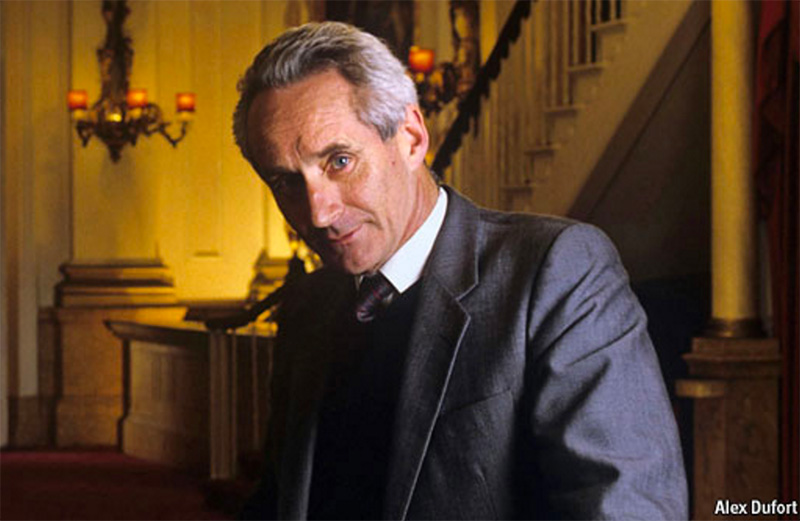
Wynne Godley
Much of Wynne Godley’s work focused on the strategic prospects for the US, UK, and world economies, and the use of accounting macroeconomic models to reveal structural imbalances. He published extensively. His 2007 book Monetary Economics: An Integrated Approach to Credit, Money, Income, Production, and Wealth (with Marc Lavoie) is an elaboration of his classic textbook Macroeconomics, written in 1983 with Francis Cripps. With it, Godley aimed to revive the tradition of macroeconomics practiced by the original Cambridge Keynesians, in combination with the theory of asset allocation pioneered by James Tobin.
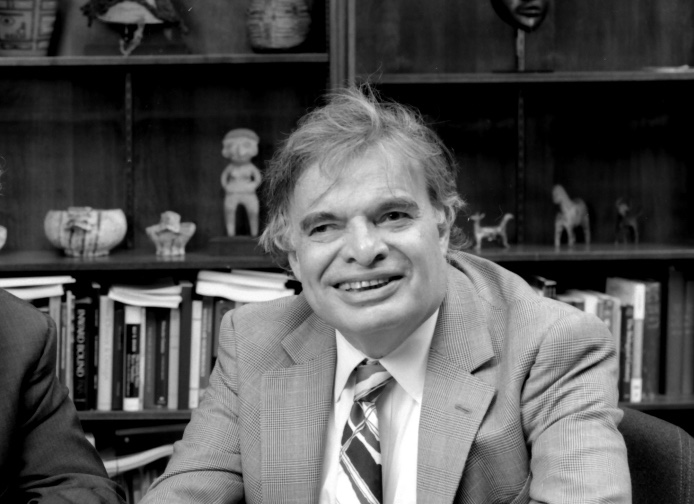
Leon Levy
Leon Levy, life trustee of Bard College and founder of the Levy Economics Institute of Bard College, died on April 6, 2003, at his home in Manhattan. Mr. Levy was the leading donor to Bard College and the chairman of the Levy Institute’s board of governors. His philanthropy and leadership provided the means to promote programs associated with the study of the humanities and economics. He supported the Levy Institute as a tribute to his father and contributed immeasurably to its development since its founding in 1986. He was a man of ideas, whose wise counsel and guidance will be sorely missed.